Quick answer
A muzzled dog should never swim, and most Dubai dog beaches don't allow swimming at all.
The beach's rule isn't always the limiting factor: Even where a beach allows dogs to swim, a restricted breed (Rottweiler, Doberman, Boxer) shouldn’t — the muzzle they must wear in public makes it unsafe regardless of what the beach permits.
The muzzle rule — a safety issue, not just a legal one
A muzzled dog must not swim
A muzzled dog cannot swim safely. Muzzles restrict the mouth opening needed to pant and to breathe under exertion, and a dog that tires in water while muzzled is at serious risk.
Safety issue, not merely a rules issue. Swim beaches are practically closed to restricted breeds.
This applies to any restricted-tier breed — Rottweiler, Doberman Pinscher, Boxer, or an unlisted Mastiff or hybrid — at every beach that allows swimming, regardless of what the beach’s own policy says. See the muzzle and leash rules for the full condition set.
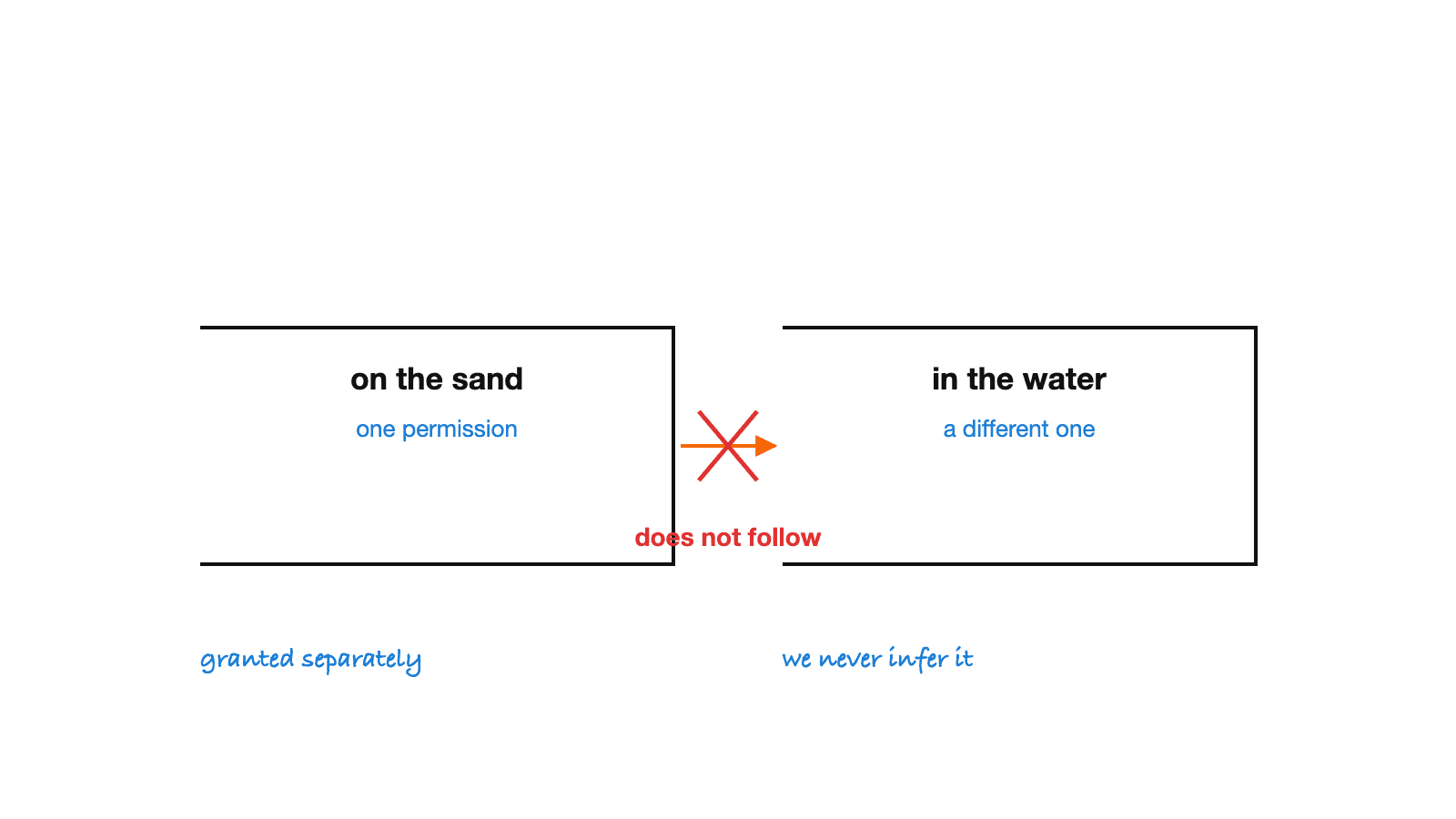
Beach access and water access are two different permissions
This is the distinction almost every UAE dog guide blurs, and it is why our swim counts look low next to theirs. A beach permitting dogs on the sand says nothing about whether they may enter the sea. The two are granted separately, often by different people, and one does not imply the other.
Kite Beach in Umm Al Quwain is the cleanest example. Its operator publishes a detailed pet policy that confirms off-leash access, states the fee, names the vaccination requirement and even describes dog kayaking — and never once uses the word swim. What it does say is that dogs may bathe in the open shower area. We take that at face value rather than rounding it up, which is why our flagship beach records swimming as unconfirmed.
What sea water does to a dog
The risk people miss is not drowning, it is drinking. The Merck Veterinary Manual documents the exact route: dogs “have been reported to develop hypernatremia after swimming or playing in the ocean (which contains ~3.5% sodium) without having access to fresh water”. Excess salt produces vomiting within a few hours, and can progress to weakness, diarrhoea, muscle tremors and seizures.
Two things follow. First, fresh water is not a comfort item on a beach trip, it is the prevention — Merck notes salt toxicosis “is unlikely to occur as long as sodium-regulating mechanisms are intact and fresh drinking water is available”. Second, if it has already happened, do not try to fix it with unlimited water: correcting sodium too quickly risks cerebral oedema. That makes it a veterinary problem rather than a car-boot one.
What is actually in UAE water
A 2024 doctoral study at United Arab Emirates University identified six jellyfish species along the UAE coast: Catostylus mosaicus, Cassiopea andromeda, Aurelia aurita, Chrysaora quinquecirrha, Cephea cephea and Carybdea. For a stung dog, the Veterinary Poisons Information Service advises rinsing with sea water, not fresh water. It does not mention vinegar, and neither will we.
We will also tell you where this page stops. Stonefish and weever fish occur in these waters and their spines are a genuine hazard, but every first-aid protocol we could find for a spine wound is written for humans. Converting human treatment to a dog is exactly the kind of invention this site exists not to do, so we have not. If you are a UAE vet with a protocol for it, we will publish it with your name on it.
If you want your dog to swim, you may need to leave Dubai
Dubai’s public dog beaches are, with one exception, leash-only with no swimming. Dubai Islands Beach is the single designated exception where dogs are permitted in the water. Owners who specifically want a swim day more often head to Umm Al Quwain, Abu Dhabi or Ras Al Khaimah, where swim-permitted beaches are more common.
See the beaches-where-dogs-can-swim filter page for the current confirmed list, and each individual beach’s own page for its specific swim policy — several are still unconfirmed or actively disputed between sources rather than a clean yes or no.
Currents, jellyfish and salt-water risk not yet researched
We have not sourced water-safety specifics for UAE beaches — rip currents, jellyfish seasons or species, or salt-water ingestion risk for dogs swimming here. We won’t publish guidance on hazards we haven’t actually verified. If you notice safety signage, lifeguard flags, or a posted hazard at a specific beach, that on-site information should take priority over anything on this page.
Frequently asked questions
Can a muzzled dog swim?
No — a muzzle restricts the mouth opening a dog needs to pant and breathe hard, which is exactly what swimming demands. This applies to restricted breeds (Rottweiler, Doberman, Boxer), which must stay muzzled in public under UAE law. Treat swim beaches as effectively closed to a muzzled dog.
Can you swim in Dubai beaches?
People, yes — Dubai's public beaches are open to swimmers around the clock, and Time Out Dubai reports Kite Beach stays floodlit for night swimming, free. Dogs, only at one: Dubai Islands Beach is the emirate's single designated dog beach with swimming permitted. Everywhere else in Dubai the water is for people only, and that is a rule difference, not a lifeguard preference.
Which UAE beaches actually allow dogs to swim?
A minority. Most dog-friendly beaches in Dubai specifically do not allow swimming — Dubai Islands Beach is the one designated exception. Umm Al Quwain, Abu Dhabi and Ras Al Khaimah have more swim-permitted beaches. See the swim-specific filter page for the current list.
Is it safe for a dog to swim in the sea in the UAE?
We haven't researched currents, jellyfish, or salt-water ingestion risk for UAE waters specifically — see the note on this page. Treat any beach without visible lifeguard or safety signage with the same caution you'd use for your own swimming.